

Costume jewelry has long been misunderstood. Often labeled as "cheap" or "disposable," it's frequently judged only by the materials it's made from. In reality, costume jewelry plays a crucial role in fashion history, modern retail, and today's jewelry market. To understand its real value, we need to look beyond price tags.
Getting Costume Jewelry Right
Costume jewelry refers to jewelry created to complement outfits, express personal style, and follow fashion trends rather than emphasize material rarity. It is designed as part of an overall look, often chosen to match specific clothing, occasions, or seasonal aesthetics.
The concept originated in 18th-century Europe, where aristocrats wore imitation jewelry to pair with elaborate costumes. These pieces allowed them to achieve a luxurious appearance while avoiding the risk of losing or damaging valuable fine jewelry at social events and formal gatherings.
Typically made from non-precious metals and alternative materials, costume jewelry gives designers greater freedom in shape, color, and scale. This flexibility makes it ideal for statement pieces, trend-driven designs, and accessories meant to enhance fashion rather than stand alone.
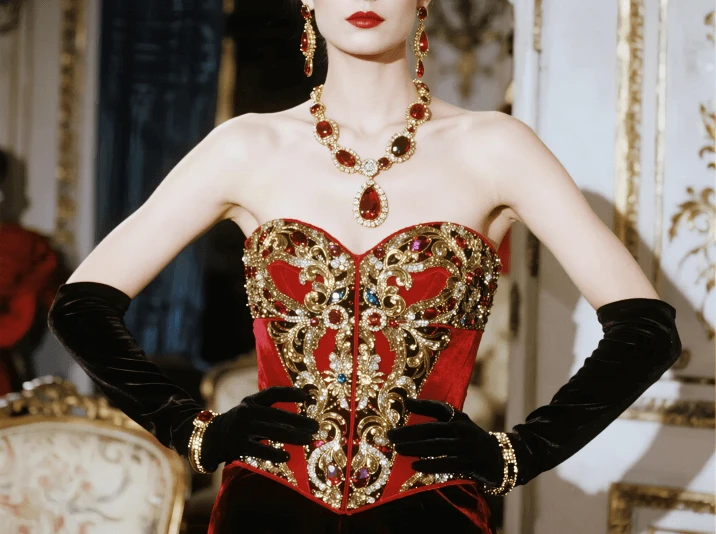
The Most Common Costume Jewelry Styles
The most common costume jewelry styles are shaped by four key elements that define how each piece looks, feels, and performs.
- Plating Techniques: Costume jewelry relies heavily on plating to achieve its final appearance. Gold-tone, silver-tone, antique, or mixed-metal platings are commonly used to create different color effects and visual depth without using solid precious metals.
- Setting Materials: Instead of focusing on gemstone value, costume jewelry uses setting materials for visual impact. Glass stones, crystals, synthetic gems, enamel, and resin are widely chosen to add color, texture, and decorative detail.
- Surface Finishes: Surface treatment plays a major role in defining style. Polished, matte, brushed, oxidized, or intentionally aged finishes are often applied to enhance contrast, highlight details, or achieve a vintage-inspired look.
- Base Materials: The base metal provides structure and durability. Brass, copper alloys, and stainless steel are commonly used because they are stable, workable, and compatible with various finishes and plating techniques.
Tip: Modern costume jewelry can include 925 sterling silver, enhancing both perceived value and design versatility.
Vintage Style: The Soul of Costume Jewelry
Vintage style fits costume jewelry naturally for a few clear reasons.
First, costume jewelry was never meant to imitate fine jewelry perfectly.
From the beginning, it focused on look and presence rather than material value. Vintage style embraces that same idea-visual impact matters more than rarity or purity.
Second, the design freedom of costume jewelry aligns with vintage aesthetics.
Larger silhouettes, decorative details, layered looks, and mixed finishes are all common in vintage design. Costume jewelry allows these elements to exist without material constraints.
Third, vintage style celebrates character and imperfection.
Unlike modern minimalist jewelry, vintage-inspired pieces feel expressive and story-driven. Since costume jewelry originated as fashion-driven imitation jewelry, it naturally carries this character-making vintage style its most authentic match.
How to Clean Costume Jewelry
Cleaning costume jewelry requires a gentle and controlled approach. Because many pieces use plated metals, mixed materials, or glued elements, harsh chemicals and aggressive scrubbing can cause permanent damage.
- Prepare lukewarm water mixed with a small amount of mild dish soap. Stir gently until light foam forms. Keep the water temperature below 40°C (104°F) to avoid weakening adhesives or finishes.
- Use a soft-bristle brush (such as a makeup brush or an old toothbrush) dipped in the foam to gently clean the surface and crevices. Avoid hard scrubbing.
- Rinse quickly with clean water to remove soap residue. Do not soak the jewelry.
- Dry immediately with a soft cloth, such as a microfiber or suede cloth, to prevent moisture-related oxidation.
- Allow the jewelry to air out in a well-ventilated area for about 10 minutes before storing.
What to Avoid When Cleaning Vintage Costume Jewelry?
Antique and vintage costume jewelry can be particularly delicate due to the age of materials and craftsmanship. While general cleaning methods can be effective, there are additional precautions to take when handling these fragile pieces. Here are three key things to avoid:
- Avoid Aluminum Foil + Baking Soda, Vinegar, and Toothpaste: These can corrode or damage plating and glue.
- Prioritize Dry Cleaning: Use a soft brush, eraser, or dental floss to clean dust and oxidation, avoiding water.
- Only Lightly Clean Non-Organic Settings: Use a cotton swab with diluted dish soap, avoiding soaking or rinsing the jewelry.
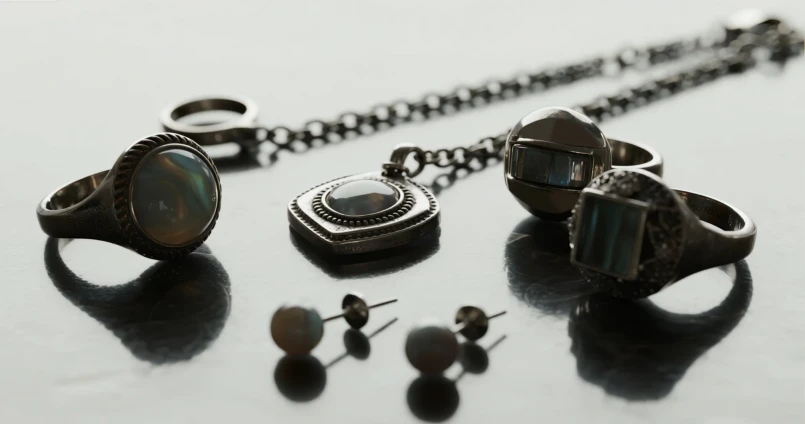
How to Remove Tarnish From Costume Jewelry
Tarnish removal methods should match the severity of oxidation. Using the right approach helps improve appearance without damaging finishes or structure.
Clean With a Soft Cloth (For Light Tarnish)
This method is best for very light tarnish or early dullness on the surface of costume jewelry.
Gently polishing the affected area with a soft, dry cloth-such as a microfiber, glasses cloth, or suede cloth-can remove surface residue and restore some shine. This approach works well when tarnish has not yet bonded deeply to the metal layer.
Aluminum Foil Reduction Method (For Moderate Tarnish)
This method is suitable for moderate tarnish, where the metal surface has visibly darkened but the plating remains intact.
Follow these steps carefully:
- Line a container with aluminum foil, shiny side up. Place the costume jewelry on the foil, ensuring full contact and no stacking.
- Mix 1 liter of hot water with 2 tablespoons of baking soda, stirring until dissolved. Pour the solution over the jewelry until fully submerged.
- Let sit for 1–3 minutes (up to 5 minutes for heavier tarnish). Small bubbles indicate the oxidation is breaking down.
- Gently brush crevices with a soft-bristle brush, then rinse with clean water.
- Dry thoroughly with a soft cloth to prevent re-oxidation.
This method works through a reduction reaction that helps lift tarnish from the metal surface. It should be used cautiously and only for pieces without fragile coatings or glued components.
Professional Re-Plating by Jewelry Specialists (For Heavy Tarnish)
For severe tarnish, worn plating, or uneven discoloration, at-home methods may no longer be effective.
In these cases, professional re-plating is the most reliable option. Specialized jewelry manufacturers are able to refinish the surface and reapply plating, restoring a consistent look without compromising the structure of the piece.
How to Stop Costume Jewelry From Tarnishing
Preventing tarnish is far more effective than trying to remove it later. Most tarnish forms when costume jewelry is exposed to humidity, sweat, cosmetics, and air over time. Reducing these exposures can significantly slow down oxidation and surface discoloration.
Simple daily habits make a noticeable difference. Removing jewelry before applying perfume or skincare products, avoiding contact with moisture, and limiting prolonged air exposure all help extend the lifespan and appearance of costume jewelry. Consistent care often matters more than occasional deep cleaning.
Proper Storage: A Key Part of Tarnish Prevention
Proper storage plays a critical role in preventing tarnish. Costume jewelry should be stored individually to avoid scratching, tangling, and friction between pieces. Dry environments with limited air exposure are ideal.
Well-organized storage reduces wear, slows oxidation, and keeps jewelry in ready-to-use condition. In practice, correct storage is one of the simplest yet most effective ways to preserve costume jewelry, especially for long-term keeping or resale.
In Today's Era, What Is Considered Costume Jewelry?
Modern costume jewelry has evolved far beyond its early definitions. Advances in manufacturing and surface finishing have improved durability and consistency, while design standards have become increasingly sophisticated.
Today, costume jewelry is no longer defined by "cheapness," but by flexibility, design expression, and market responsiveness. In many modern contexts, costume jewelry is commonly grouped together with fashion jewelry, as both categories focus on style, trend relevance, and accessibility rather than material rarity.
Fashion Jewelry vs. Costume Jewelry: What's the Difference?
Though costume jewelry and fashion jewelry are often grouped together today, there are still subtle differences between the two. Below, we'll explore these distinctions in more detail.
| Aspect | Costume Jewelry | Fashion Jewelry |
|---|---|---|
| Materials | Early alloys, glass; modern includes 925 silver, but still prioritizes style | Ranges from alloys to 925 silver, pearls, balancing cost and fashion |
| Usage | For special occasions, rarely daily wear | Everyday wear, frequent updates |
| Trend Sensitivity | Short lifecycle, trend-driven | Timeless with seasonal updates |
| Longevity | Shorter-term wear | Longer-lasting pieces |
| History and Origins | 18th-century Europe, mimicking fine jewelry | Mid-20th century, trend-focused |
Costume jewelry and fashion jewelry are often used interchangeably in the jewelry industry today. Many brands now define both as jewelry made from non-precious materials, focused on decoration and style rather than intrinsic value.
Conclusion: Costume Jewelry Is Worth More Than Its Price Tag
Costume jewelry is much more than a cheap imitation. It's a form of self-expression that allows for creativity and individuality.
Its true value lies in the design freedom it offers, making it an essential part of the fashion world. Costume jewelry can stay relevant across trends, offer cultural significance, and cater to both personal and commercial needs.
When viewed from this perspective, costume jewelry stands as an enduring and meaningful part of the jewelry industry-its worth extending far beyond its price tag.
Top Questions People Ask About Costume Jewelry
1. What to Do With Old Costume Jewelry?
You can repurpose, restore, or donate old costume jewelry. Repurposing lets you create new pieces, restoring brings back its charm, and donating gives it a second life.
Old costume jewelry can hold sentimental value, or its vintage charm might appeal to someone else. Repurposing or restoring also gives the pieces new life, making them usable again, while donating supports a good cause.
2. Tips for Selling Costume Jewelry
Selling costume jewelry is more about how you present it than the material cost. It's all about styling, telling a story, and staying on top of trends.
Since costume jewelry is all about design, customers are drawn to how you showcase, pair, and explain each piece. Great product descriptions and consistent visuals often matter more than just technical details.
3. How to Fix Loose Gemstones on Costume Jewelry at Home?
Apply a small amount of jewelry adhesive to the setting, place the stone back, and let it dry completely for a secure fix.
Jewelry adhesives are designed to hold stones in place without damaging the piece. Clear nail polish is a quick and easy alternative, but specialized jewelry glue provides a stronger, more durable bond.
4. How Long Can a Piece of Costume Jewelry Last with Proper Care?
With proper care, the lifespan of costume jewelry typically ranges from 1 to 5 years, and it varies significantly based on the material quality and craftsmanship level of the piece:
- Basic-grade (low-cost alloy + thin plating): 1–2 years with good care; thin plating fades/tarnishes easily from friction and sweat.
- Mid-to-high-end (brass/stainless steel/925 silver base + vacuum plating, ≥2.5μm thickness): 3–5 years; quality 925 silver pieces may last longer if well-maintained.
- Vintage/antique: Wearable for many more years with gentle cleaning and proper storage; check plating/settings regularly and repair as needed.
5. Will Costume Jewelry Turn My Skin Green? How to Prevent This?
Yes, it may, especially for low-cost costume jewelry made of cheap alloys containing copper or nickel. When the metal reacts with sweat, oils, or moisture on the skin, it forms greenish metal salts, which stick to the skin surface.